Picture a mixed-use commercial building in Toronto during a July heatwave, with temperatures soaring past 35°C. The central HVAC system, neglected for years, suddenly fails under the strain. The tenants—a machine shop, law office, and medical clinic—are left sweltering. Productivity drops, appointments are cancelled, and diagnostic equipment overheats. The building owner now faces a $60,000 repair bill and potential liability claims. A costly but common scenario that shows why proactive HVAC maintenance is essential for business continuity, tenant satisfaction, and long-term savings.
At Unica Insurance, we understand the risks HVAC system failures pose to your business. Here are our 5 strategic tips for HVAC care to keep your spaces cool and your budget intact.
What are the best ways to reduce HVAC energy costs?
HVAC systems comprise a significant portion of total energy costs in commercial properties like office towers or industrial warehouses. Simple upkeep like cleaning coils, replacing filters, and checking refrigerant levels helps keep systems running efficiently and reduces energy consumption, lowers utility bills, and helps support sustainability goals. In a typical medical building, a well-maintained system can reduce energy use by up to 20%, translating into thousands of dollars in annual savings.
Why does HVAC zoning improve building efficiency?
The design and layout of an HVAC system is critical to its effectiveness. Zoning and advanced controls in modern systems give building owners tailored cooling to specific areas.
Zoning divides a building into independently controlled areas and reduces energy waste by preventing the overcooling of unused spaces. Adding smart controls like programmable thermostats or automated systems will adjust cooling based on occupancy or time of day, maximizing efficiency without sacrificing comfort.
For instance, a warehouse with zoned cooling can prioritize areas with heat-sensitive equipment while minimizing cooling in low-occupancy zones, optimizing both performance and costs.
What are the risks of skipping HVAC maintenance?
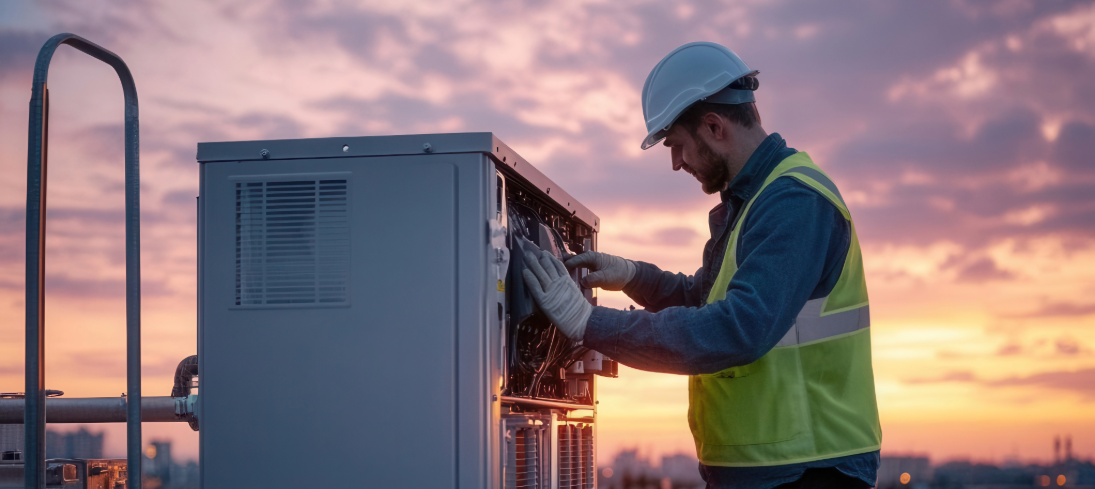
Neglecting HVAC maintenance leads to increased repair costs and unexpected downtime. Routine inspections and minor repairs, such as fixing leaks or calibrating controls, cost less than emergency replacements. For instance, replacing a worn compressor might cost $5,000, but ignoring it could result in full system failure with costs exceeding $50,000. A proactive maintenance plan keeps expenses predictable, protects your budget, and minimizes disruptions to tenants.
Which HVAC upgrades boost air quality and efficiency?
Modern HVAC systems offer upgrades that boost efficiency and indoor air quality. High-efficiency systems (SEER 16 or higher), deliver superior cooling with less energy. Popular air quality upgrades, such as HEPA filters and UV air purifiers, remove allergens and pathogens, creating healthier environments for employees and visitors. These upgrades not only improve comfort but also reduce long-term operating costs.
Why Is HVAC maintenance critical for server rooms and tech spaces?
In office buildings, tenant spaces often include climate-controlled environments like server rooms, essential for tech-driven businesses. A poorly maintained HVAC system in a server room can lead to overheating, damaged equipment, and disrupted operations.
Best practices for HVAC risk management
✔ Schedule seasonal checkups
✔ Keep clear records of service history and inspection notes
✔ Partner with trusted HVAC vendors who understand your occupancy needs
✔ Train on-site staff to identify common warning signs like uneven cooling or unexpected spikes in utility usage
These practices help extend system life, prevent major breakdowns, and support long-term budget stability.
The bottom line: savings and stability
Proactive HVAC maintenance is a smart investment for commercial building owners. By focusing on energy efficiency, optimizing system design with zoning and controls, and managing maintenance costs, you can reduce utility bills, extend system lifespan, and avoid unexpected breakdowns. More importantly, a reliable HVAC system ensures business continuity for tenants in office buildings, medical facilities, warehouses, and machine shops, reducing the risk of costly disruptions or liability claims.