
As the crisp fall air settles in, it’s the perfect time to get your home ready for the colder months ahead. Fall home maintenance isn’t just about comfort or curb appeal— it’s about protecting what matters most. Proactive upkeep helps you avoid costly damage, unexpected disruptions, and regrets over preventable losses.
Remember: your homeowner’s insurance policy is not a maintenance policy. Regular upkeep and repairs remain your responsibility as a homeowner, while your policy protects you against sudden, accidental, and unforeseen insured losses, such as a pipe bursting or electrical fire.
Here are some highly recommended actions to help safeguard your home inside and out this fall:
Outside your home – Fall home maintenance checklist:
1. Roof, gutters, and downspouts
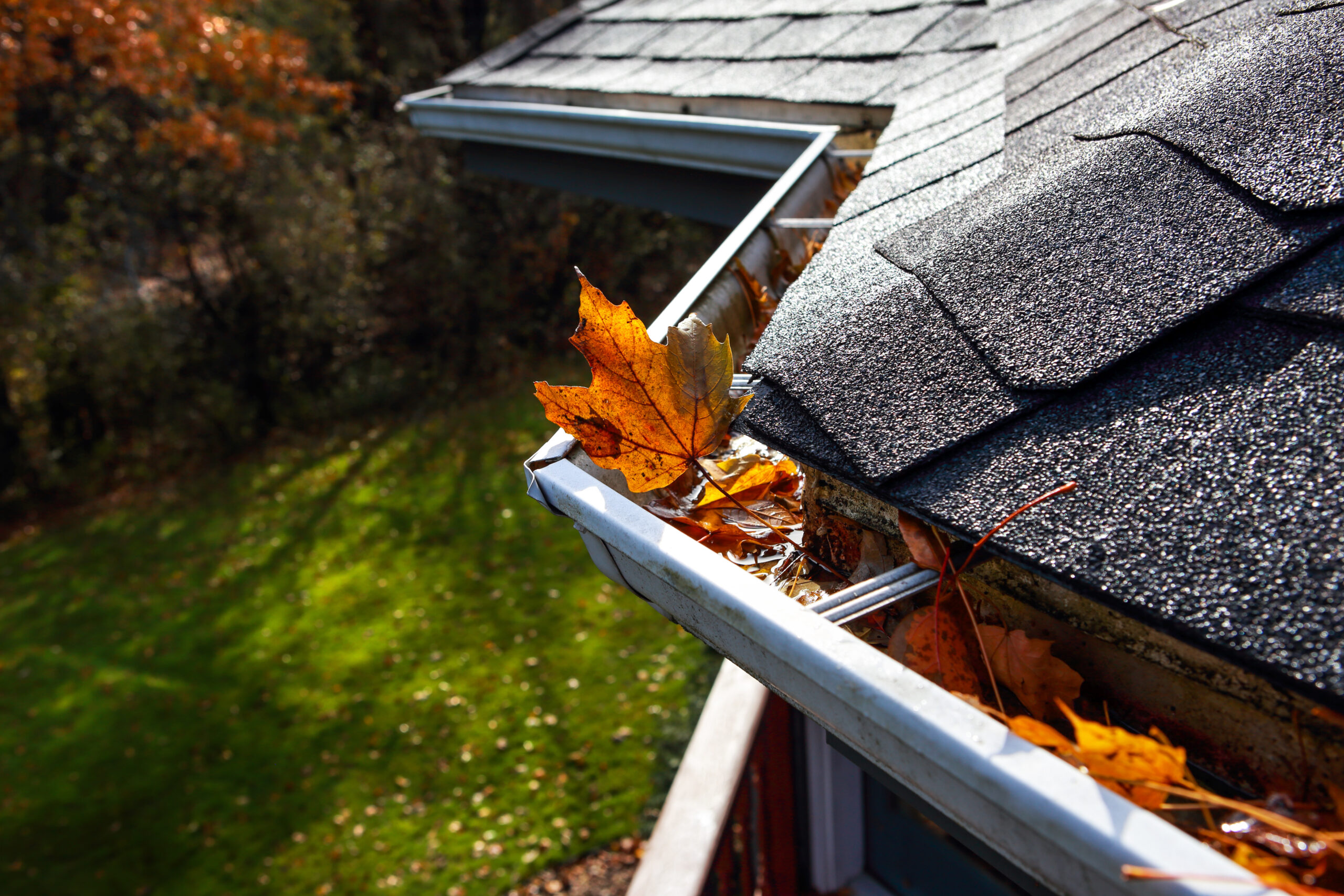
- Clear out dirt, leaves, and debris to prevent water backup and ice damming.
- Tighten brackets or replace screws to keep gutters properly sloped for drainage.
- Leave roof and skylight repairs to professionals to ensure safety and prevent future water damage.
2. Stairs, outlets, and wiring
- Ensure outdoor outlets have weatherproof covers and no loose wiring.
- Check that steps are even and clear to prevent slips, trips, and falls.
- Install handrails where needed, especially with more seasonal get-togethers.
3. Trees and shrubs
- Watch for old trees or branches near power lines, roofs, and windows to avoid damage from wind or ice.
- Inspect fences for wear or leaning.
4. Outside walls and window well
- Look for cracks or separations that could lead to water infiltration or structural issues.
- Routinely inspect the foundation for cracks. Call a professional if you notice damage.
Inside your home – Protect your home in fall:
1. Smoke and carbon monoxide detectors
- Test units and replace batteries as needed.
- If they’re not working, replace them immediately.
- They’re required by law—and proven to save lives. Carbon monoxide detector safety is essential.
2. Electrical outlets, switches, and panels
- Check for loose components, discolouration, burning smells, or sparking.
- Make sure your electrical panel is up to code, properly labelled, and covered.
- If your home has aluminum wiring, have it inspected by a licensed electrician.
- Let your insurance company know—aluminum wiring carries a higher risk of electrical fires than copper.
3. Heating system maintenance
- Clean furnaces and chimneys annually to reduce fire risk and improve efficiency.
- Maintain and certify auxiliary heating systems like woodstoves, pellet stoves, or space heaters.
- Keep space heaters away from furniture, curtains, and bedding.
- Never leave stoves, lit candles (including jack-o’-lanterns), or cigarettes unattended—they’re leading causes of fall and winter fires.
4. Attic, ceilings, and basement
- Act quickly if you hear unusual sounds from toilets or water tanks or see stains or cracks—water leaks escalate fast and can lead to mould.
- Check for wildlife intruders in attics, basements, and chimneys—they can damage insulation, reduce air quality, and carry disease.
- Regularly inspect and service sump pumps, backwater valves, and backup generators.
- Some municipalities offer rebates for installing sump pumps or backwater valves.
- Your policy may also qualify for a basement flooding prevention or water damage mitigation device discount.
5. Safeguarding your valuables
- Store high-value items in locked, hard-to-access places.
- Keep keys, wallets, passports, and important documents out of common areas.
- Lock main doors and garages. Consider motion-sensor lights, cameras, or a centrally monitored alarm system.
Stay cozy and protected
Home Insurance – Get a Quote With a Broker – LIVEasy
Disclaimer:
This Information provided is a general guideline. Please refer to LIVEasy policy wordings for full coverage details, limits, terms, conditions, provisions, definitions and exclusions, as they might change. Alternatively, you can speak with your broker for further assistance.
Always seek professional assistance for inspection and repairs when needed.